
Mongolian cuisine reflects the country’s nomadic lifestyle, harsh climate, and strong livestock traditions. Since much of Mongolia consists of vast grasslands, people have traditionally relied on animal husbandry, raising sheep, goats, cattle, horses, and camels. As a result, meat and dairy products form the foundation of the Mongolian diet.
Main Characteristics of Mongolian Cuisine
1. Meat-Based Diet
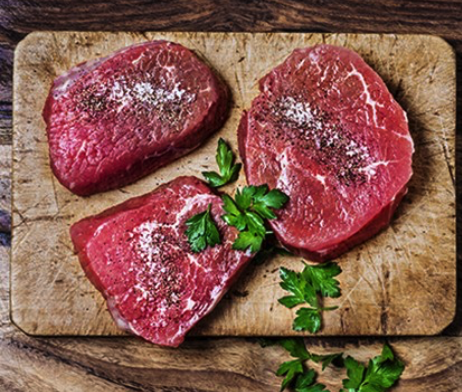
Meat is the most important ingredient in Mongolian cooking. The most commonly consumed meats are mutton and beef, although goat, horse, and camel meat are also eaten. Meat is usually boiled, steamed, or stewed rather than heavily seasoned.
2. Dairy Products,
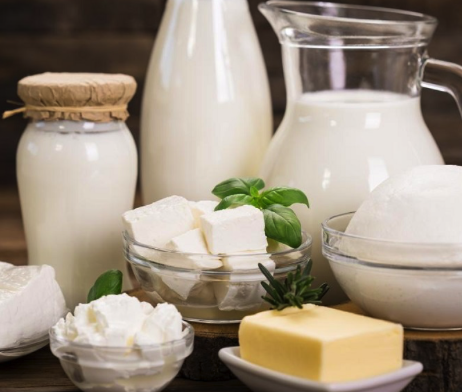
Dairy plays a significant role in everyday life. Mongolians produce various dairy foods such as cheese, yogurt, cream, and dried curds. A famous traditional drink is airag, made from fermented mare’s milk.
3. Simple Cooking Methods
Traditional dishes often contain only a few ingredients. The focus is on preserving the natural flavor and nutritional value of the food.
4. High-Calorie Meals
Because Mongolia experiences long and cold winters, meals are designed to be filling and energy-rich.
1. Buuz
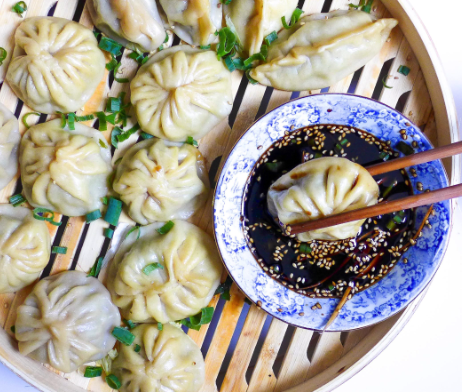
Buuz is one of the most famous dishes in Mongolia. These are large steamed dumplings filled with minced mutton or beef, onions, and simple seasonings.
Preparation:
- The filling is wrapped in thin dough.
- The dumplings are cooked by steaming.
Features:
- Juicy and flavorful due to the meat broth inside.
- Commonly served during holidays and family celebrations, especially during the Mongolian New Year.
2. Khorkhog
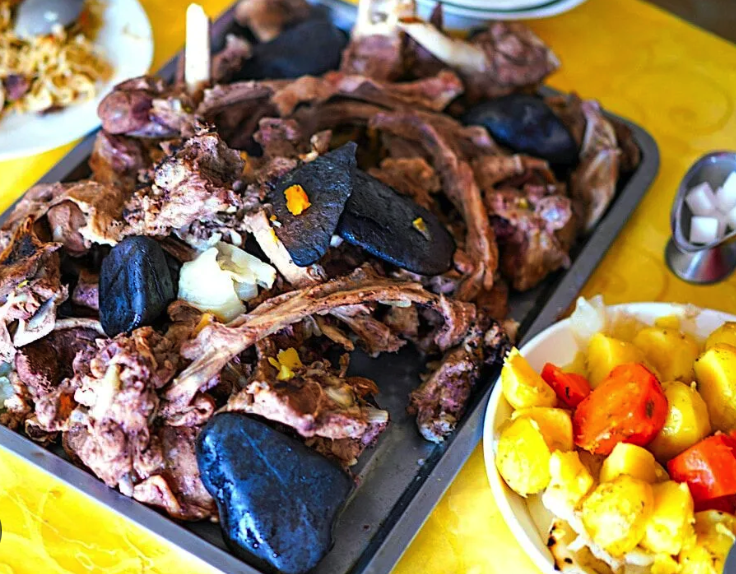
Khorkhog is a unique traditional Mongolian dish often prepared for special gatherings.
Ingredients:
- Mutton
- Potatoes
- Carrots
- Onions
- Heated stones
Preparation:
- Stones are heated in a fire until extremely hot.
- Meat, vegetables, and hot stones are placed in a sealed metal container.
- The dish cooks using steam and heat from the stones.
Features:
- The meat becomes very tender and aromatic.
- The cooking method gives the dish a distinctive flavor.
3. Tsuivan
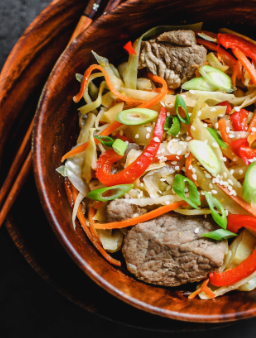
Tsuivan is a popular everyday meal in Mongolia.
Ingredients:
- Handmade noodles
- Beef or mutton
- Onions
- Carrots
- Sometimes cabbage
Preparation:
- The meat and vegetables are stir-fried first.
- Noodles are then added and cooked together with the other ingredients.
Features:
- A hearty and nutritious dish.
- Often prepared in large portions for families.
Conclusion
Mongolian cuisine is simple, nutritious, and heavily based on meat and dairy products. It reflects the country’s nomadic heritage and the need for high-energy food in a cold climate. Traditional dishes such as Buuz, Khorkhog, and Tsuivan are excellent examples of Mongolia’s rich culinary culture and long-standing traditions.